MCA Syllabus: List of Subjects, Skilled Certification and Careers
After graduating, many students begin to carefully consider the next step in their academic journey. Those who enjoy working with technology often consider advanced studies that deepen their understanding of software systems, programming and digital infrastructure. For students exploring this path, reviewing the MCA syllabus is usually the first step toward understanding what the programme actually offers.
The MCA (Master of Computer Application) syllabus reveals how the course is structured, which MCA subjects students study and how the programme gradually prepares them for careers in software development, system analysis and emerging technology domains. Along with this, students also look closely at the MCA course duration and the MCA course subjects list to understand how the learning journey unfolds over time. Examining these elements together provides a clear picture of how the programme builds technical knowledge and professional readiness.
What the MCA Syllabus Prepares Students For
The MCA syllabus is designed to build technical understanding in a progressive manner. Rather than introducing complex technologies immediately, the programme begins with foundational programming and gradually moves toward advanced application development and system architecture.
- Early in the programme, students develop computational thinking through subjects such as Python Programming and Data Structures.
- As the course progresses, the syllabus expands to areas such as databases, operating systems and networks.
- Later semesters focus on application through projects, testing frameworks and real development environments.
What is the MCA Course Duration?
Students often ask about the MCA course duration before deciding to pursue the programme.
- Traditionally, MCA programmes were three years long, but many universities now offer a two-year course divided into four semesters.
- Early semesters focus on programming fundamentals and system concepts, while later stages introduce advanced development and databases.
- The programme typically concludes with a major project or internship, allowing students to apply their learning in real software environments.
- Over the structured MCA course duration, students gradually move from technical fundamentals to practical application.
MCA Subjects and Course Structure
A closer look at the MCA subjects shows how the programme balances theory with practical learning.
Early subjects build programming and analytical foundations, focusing on algorithms, coding and system understanding.
Later topics such as Advanced DBMS, Software Engineering, Java Programming and Software Testing prepare students for real-world software development.
MCA Course Subjects List
Students exploring postgraduate technology programmes often want a clear MCA course subjects list to understand what they will actually study. While the exact structure may vary slightly across universities, the PIBM-aligned MCA curriculum includes subjects such as:
- Python Programming
- Data Structures and Algorithms
- Advanced Database Management Systems
- Business Statistics
- Software Engineering and Project Management
- Java Programming
- Optimization Techniques
- Software Testing and Quality Assurance
- Research Methodology
Along with these core subjects, the programme also introduces electives in emerging technology areas such as:
- Cloud Computing
- Web Development
- Data Science
- Cyber Security
- Business Intelligence tools such as Power BI
These subjects collectively form the academic foundation of the MCA syllabus, ensuring students gain exposure to both traditional computing principles and modern technology domains.
Understanding the MCA Syllabus in Practice
When viewed as a whole, the MCA course syllabus follows a carefully designed learning progression.
The first stage focuses on programming fundamentals and algorithmic thinking. The second stage expands into system-level technologies such as databases, networks and software engineering frameworks.
The final stage of the programme focuses on application and innovation. Students work on development projects that require them to design, implement and test complete software systems.
This structured progression allows students to build confidence with technology while also developing the analytical mindset required in software engineering roles.
By the end of the programme, graduates are not just familiar with programming languages. They understand how complex digital systems function and how to build scalable software solutions.
Value-Added Courses That Strengthen the MCA Syllabus
Alongside the core MCA course syllabus, students at PIBM gain exposure to several value-added courses that strengthen their technical and industry-ready skills. These programmes introduce students to modern tools, development frameworks and data-driven technologies used in professional software environments.
Key learning areas include:
Development Frameworks & Web Technologies
- Django Framework
- Laravel Framework
- Drupal
- Web Development using Python
Software Testing & Development Tools
- Software Testing using Selenium
- Selenium Hands-on Training
- Programming in Java
- Programming in C++
Data & Analytics Platforms
- Microsoft Power BI
- Data Analytics
- Python for Data Science
Cloud, IoT & Emerging Technologies (NPTEL Certifications)
- Google Cloud Computing Foundations
- Cloud Computing
- Foundation of Cloud IoT Edge ML
- IoT
Database & Enterprise Tools
- PostgreSQL Workshop
- Database Management Systems
- Salesforce Training
Additional Skill Development
- Joy of Computing using Python (NPTEL)
- Software Conceptual Design (NPTEL)
- Soft Skills (NPTEL)
- German Language
These value-added learning opportunities extend the MCA course syllabus beyond classroom teaching and help students build practical capabilities aligned with modern software development and technology roles.
Career Opportunities After MCA
As organisations across industries continue to rely heavily on digital platforms, the demand for professionals with advanced computing knowledge continues to grow. After completing an MCA programme, graduates typically pursue high-paying roles such as:
- Software Developer
- System Analyst
- Data Analyst
- Cloud Engineer
- Application Developer
- IT Consultant
These roles span sectors such as technology, banking, e-commerce, consulting, healthcare, and government. With experience, professionals can move into roles such as software architects or technical consultants.
Why Study MCA at Pratibha Institute of Business Management (PIBM)
While the syllabus of the MCA course provides the academic framework, the institute you choose shapes how that knowledge is applied.
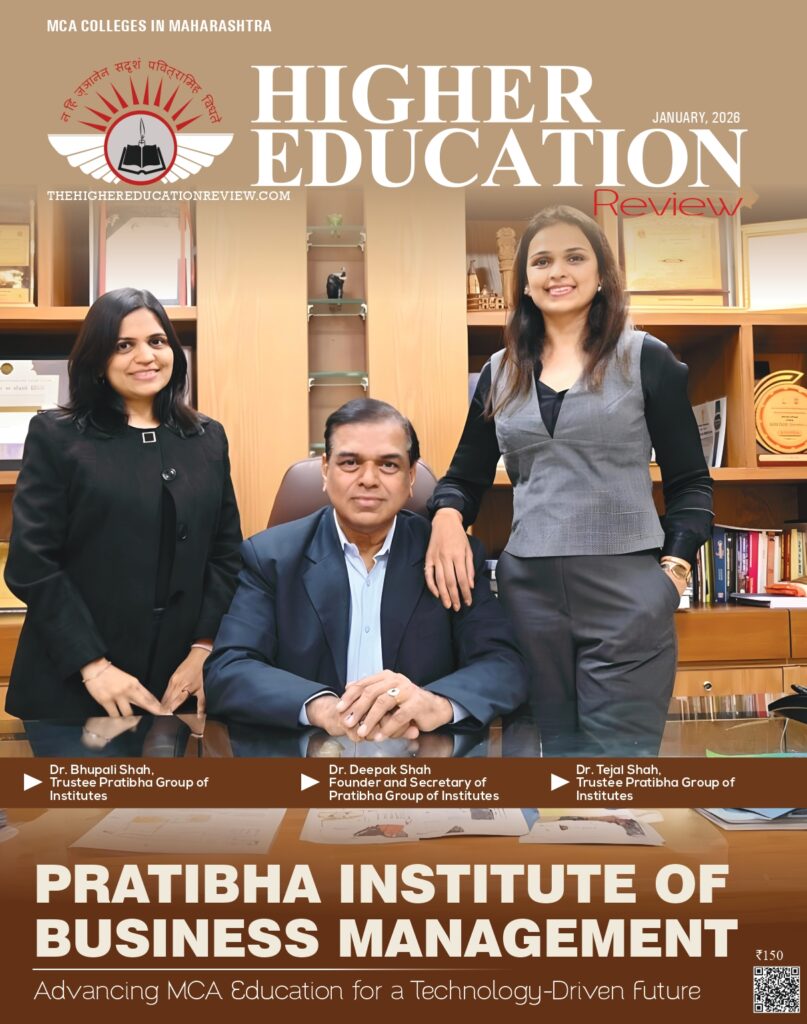
At Pratibha Institute of Business Management (PIBM), the MCA programme focuses on combining strong technical foundations with practical exposure to real software environments. The institute’s MCA department is also recognised as one of the Top 10 MCA colleges in Maharashtra, reflecting its focus on academic quality and industry-oriented learning.
This approach helps students move beyond theory and build the confidence needed for professional software development roles.
Considering MCA as Your Next Step?
Choosing a postgraduate programme is rarely just about selecting a course. It is about choosing a direction that aligns with your long-term career goals.
If you find yourself drawn toward software development, digital systems and emerging technologies, understanding the MCA course syllabus and programme structure can help you decide whether this path aligns with your aspirations.
Frequently Asked Questions (FAQs)
What are the common MCA subjects?
Common MCA subjects include programming languages, data structures, database management systems, operating systems, computer networks and software engineering.
What is the typical MCA course duration?
The MCA course duration is generally two years, divided into four semesters, though the exact structure may vary by university guidelines.
What does the MCA syllabus include?
The MCA syllabus typically includes programming, algorithms, database management systems, networking, software engineering and specialised electives in emerging technologies.
What career opportunities are available after MCA?
MCA graduates commonly pursue roles such as software developer, system analyst, data analyst, cloud engineer or IT consultant across various industries.